How Often Should You Inspect Your RV Towbar?

Your towbar is an important part of your flat towing setup, but how often do you actually stop and inspect it? Wear and tear is expected over time. The important thing is knowing what to look for before a worn or damaged component turns into a bigger problem on the road. One Roadmaster Falcon All-Terrain towbar we looked at showed exactly why regular inspections matter. A worn storage latch allowed the towbar to fall from its stowed position while the motorhome was being driven without the towed vehicle attached. The ends of the towbar dropped to the road and began dragging. So, what should you be looking for when inspecting your RV towbar? Let’s break it down.
How often should you inspect a Roadmaster towbar?
According to Roadmaster’s towbar safety inspection and care guide, Roadmaster recommends inspecting your towbar every 3,000 miles. This is part of Roadmaster’s general care and maintenance recommendations for its towbars. An inspection gives you an opportunity to look at the towbar’s structural components, make sure everything is operating properly and identify damage or excessive wear that may need attention.
What should you inspect on an RV towbar?
Start with the structural hardware of the towbar.
That includes checking the:
You’re looking for things such as cracks, dents or other damage. Roadmaster notes that normal wear and tear is expected. The important thing during this part of the inspection is identifying components that are actually damaged. Safety cables also deserve a close look. If you’re starting to see damage to the cables themselves, replacement may be needed.
Should your towbar arms move smoothly?
Yes. Another part of a towbar inspection is checking whether the arms move in and out smoothly. If the arms are dry or stiff, Roadmaster recommends cleaning them with a good-quality cleaner and then lubricating them. The order matters. Before putting lubricant on the inner arms, clean away the dust and debris first. Once the arms are clean, they can be lubricated.
How do you check the towbar arm latches?
The arms should latch when they’re fully extended. This is an important safety check because the latches need to function properly while you’re towing. You can extend the towbar arms fully and make sure each one latches. You should also verify that lifting the latch allows the arm to retract and that it latches again once fully extended. If that latch doesn’t function properly, the towed vehicle could push forward toward the back of the motorhome and potentially cause damage.
Why should you inspect the towbar storage latch?
The storage latch is where the damaged Roadmaster Falcon All-Terrain towbar showed a serious problem. When the towbar was stowed on the motorhome without the towed vehicle attached, the keeper latch failed to hold it securely in place. The towbar fell down, and the ends dragged along the road. According to Roadmaster’s inspection standard discussed here, the storage latch should capture the yoke bolt head by at least 3/16 of an inch. On the damaged towbar, the engagement was nowhere near that standard. Roadmaster warns that if engagement is less than 3/16 of an inch, the latch may release while driving, allowing the towbar to drop and drag. That’s why checking this small part of your towing setup can be so important.
What can cause a towbar storage latch problem?
In this particular case, the towbar bushings had worn out. The worn bushings allowed enough movement that the storage latch was no longer properly doing its job. The latch engagement was less than the required 3/16 of an inch, and it could actually be pulled completely off the yoke bolt head. The repair needed in this case was a bushing repair kit. This is a good example of why simply looking at whether a towbar is still physically attached isn’t enough. Wear in individual components can affect how the entire setup functions.
What does a properly functioning towbar storage latch look like?
For comparison, we looked at another towbar that wasn’t new but still had a properly functioning storage latch. Unlike the worn towbar, the latch couldn’t physically be pulled free. When measured, there was around half an inch of engagement in one position and still well over a quarter inch in another. That put it beyond Roadmaster’s 3/16-inch standard. With the towbar stowed and the towed vehicle disconnected, the latch could do its job and keep the towbar from falling down.
What else should you check in your flat towing setup?
Don’t stop the inspection at the towbar itself. Look over the general towing setup and make sure you’re using the proper weight rating for the vehicle you’re towing. You should also check that nothing is positioned where it could catch on the cables or wiring. If you find damaged, corroded or worn components, those parts may need to be replaced or rebuilt.
What can happen if you don’t regularly inspect your towbar?
A towbar that isn’t properly inspected can develop problems that aren’t immediately obvious. As we saw with the worn storage latch, a stowed towbar can fall and drag along the road. That can damage the towbar itself and create sparks or a road hazard for people driving behind you. More seriously, a towbar failure that allows the towed vehicle to become disconnected could cause severe injury or damage to vehicles and people behind you. That’s why regularly inspecting your towbar and making sure it meets the manufacturer’s standards is so important.
What should you do if you have questions about a Roadmaster towbar?
If you have questions about the care of your Roadmaster towbar or warranty coverage related to towbar wear and tear, contact Roadmaster. It’s also a good idea to have your towbar’s serial number available when contacting them. Roadmaster asks owners to register their towbar on its website after purchase using its warranty registration form.
Need Help With Your RV Towbar?
Regular towbar inspections can help you catch worn or damaged components before they create a bigger problem on the road. If you have questions about RV parts or your towing setup, contact SuperSteer Parts at (888) 898-3281 or visit SuperSteerParts.com. If you’re in the Grants Pass, Oregon area and would like someone to take a look at your towbar, contact Henderson’s Line-Up at (541) 479-2882 or visit HendersonsLineUp.com. Our team can take a look at your towbar and help you identify issues with your setup. For questions about Roadmaster warranty coverage, contact Roadmaster directly. View RoadMaster’s full Inspection and care guide here. Thank you for reading this blog and until next time we wish you safer and happier driving.
 
Leave a Reply

Your email address will not be published. Required fields are marked *

What Does Henderson’s Line-Up Do? A Look at the Services We Offer

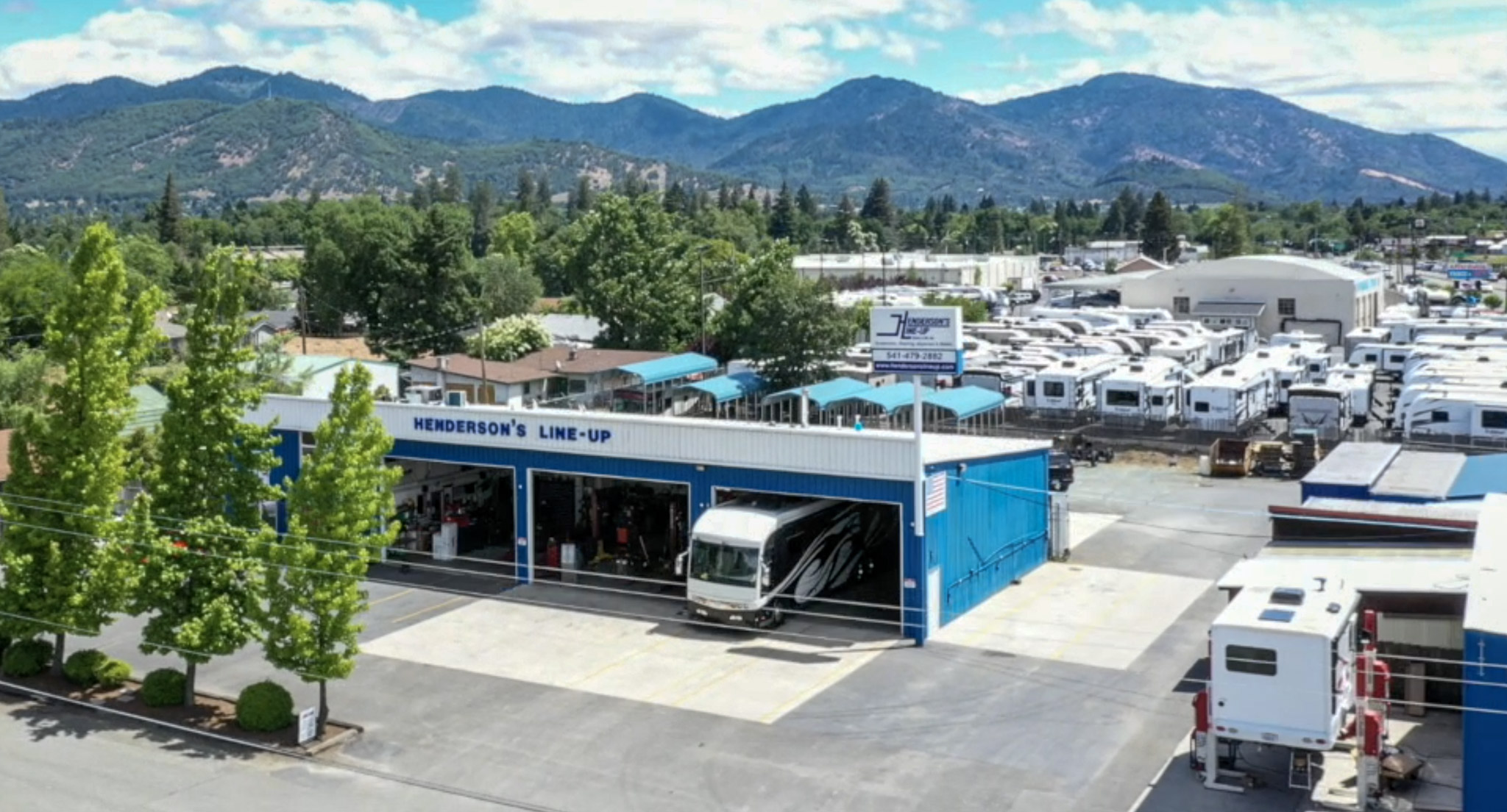
If you’ve heard of Henderson’s Line-Up, there’s a good chance you know us for motorhome steering, suspension, and handling. While RVs are a big part of what we do, they’re far from the only vehicles that come through our shop. Our shop in Grants Pass, Oregon works on motorhomes, travel trailers, fifth wheels, cars, trucks, SUVs, and even classic cars and street rods. From trying to figure out why your motorhome doesn’t feel right on the road to taking care of maintenance, brakes, alignments, suspension work, and more, our focus is on the part of your vehicle that meets the road.
So, what exactly can Henderson’s Line-Up help you with?
Read more