Maintaining your balance while cruising down the road is not something to take for granted. This duck makes it look easy, but when it comes to your RV, you’re going to want to take some precautionary action. Let me explain…

A set of tires for your RV can be a sizeable investment so making sure they don’t wear down prematurely can be a balancing act involving the weight and shape of the wheel paired with the weight and shape of the tire. Given that the tires and wheels were manufactured at two different times in two different places and possibly in two different countries, it is not reasonable to assume they will be in perfect balance from the get go. The odds of this combination having perfect and precise weight distribution about its radial and lateral centers is virtually impossible. The amount of uneven weight distribution it takes to cause a vibration you can feel is less than ½ an ounce.

Wheel balance is typically checked on a wheel-balancing machine that can sense as little as 1/4 ounce difference in weight around the wheel. Doesn’t seem like much does it? But the problem is that this tiny weight is rotating around the axle at a very high speed, literally hundreds of times a minute and it can create enough momentum to cause serious vibration. When you multiply that by 6 or 8 wheels carrying a combined weight of tens of thousands of pounds, that can turn into not only unnecessary wear on the tire, but also a heightened and completely avoidable level of risk as well.

There are two types of imbalance to be aware of. The first is known as static imbalance, which is a result of having a heavy or light spot in the tire itself that makes it impossible for the tire to roll evenly. When that happens, the tire and wheel experience an involuntary up-and-down motion, like a hop. The second type is called a dynamic imbalance, where there is inequitable weight distribution to one or both sides of the tire/wheel assembly’s lateral centerline, which results in a side-to-side motion, also known as a wheel shimmy.

When tires are out of balance, not only do they wear but also they put strain on the entire suspension system and wheel bearings. So for safety sake, get your tires balanced on a regular basis. Every trip through a rough construction zone, or too much speed across a speed bump or nicking a curb pulling in or out of Wal-Mart can lead to your tires getting out of balance again. It makes sense to have them balanced about every 5000 miles or once a year, whichever comes first.

So for safer driving, keep your tires balanced and for happier driving, take time to watch the ducks, (especially if you’re from Oregon)!

What Does Henderson’s Line-Up Do? A Look at the Services We Offer

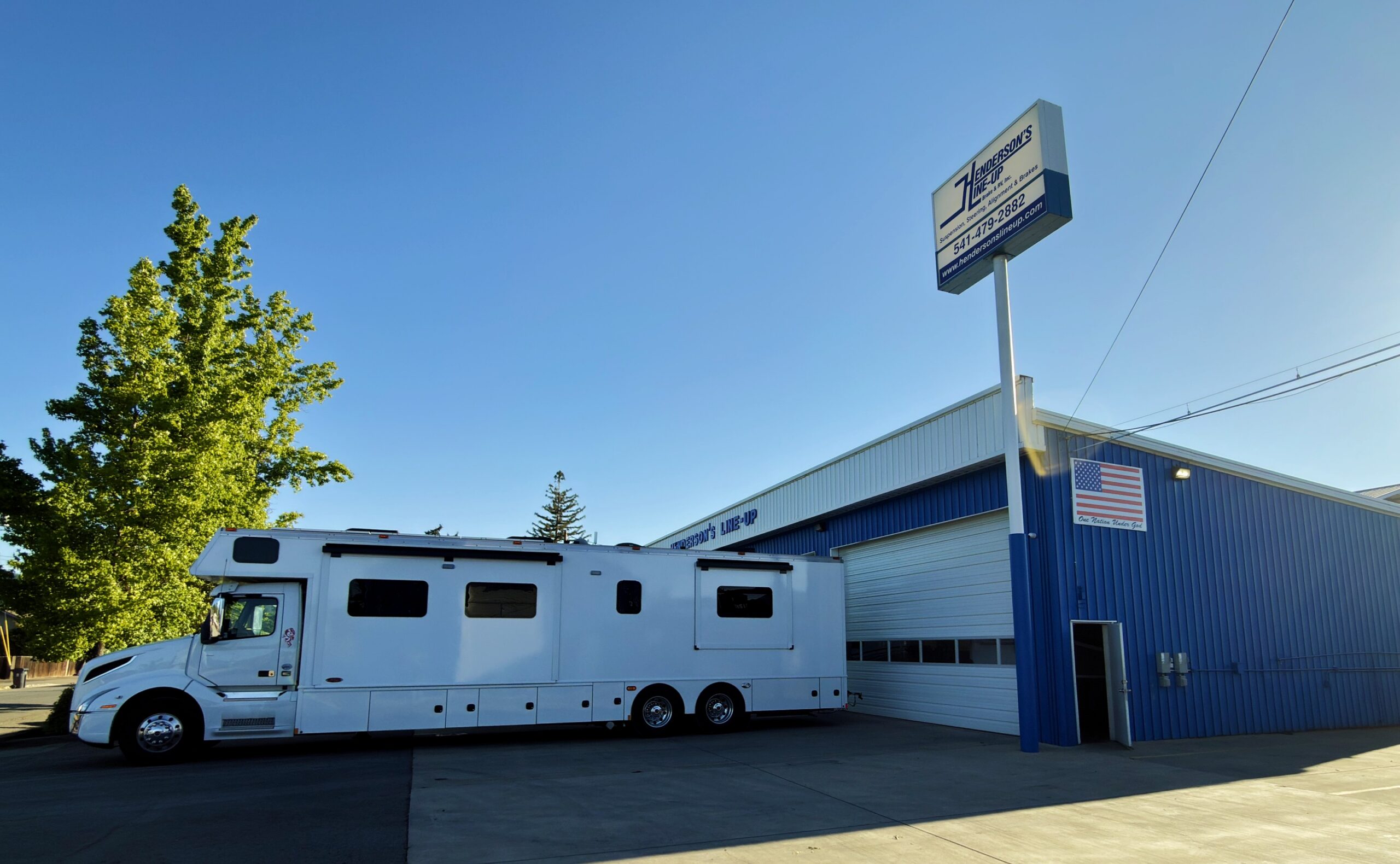
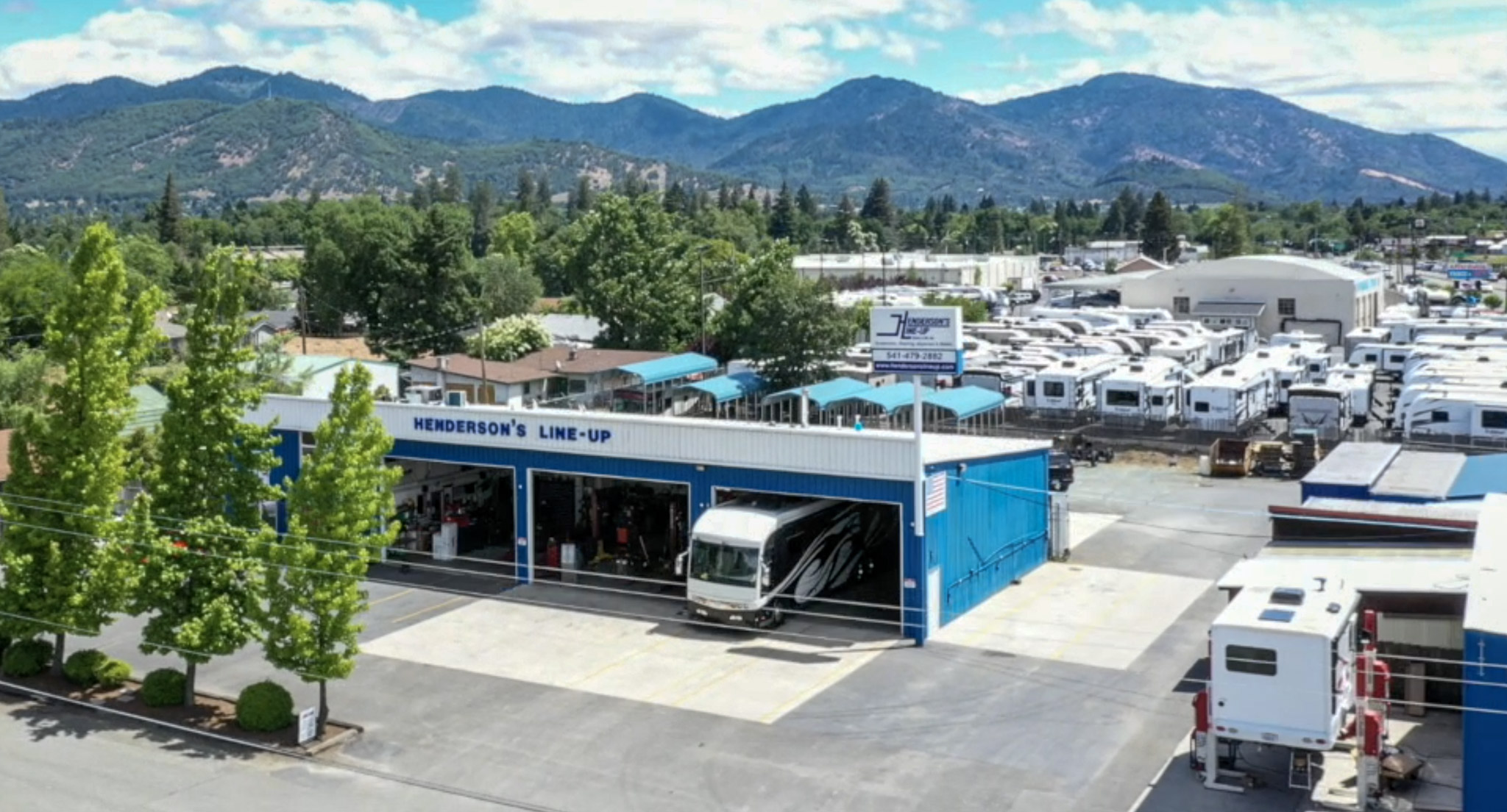
If you’ve heard of Henderson’s Line-Up, there’s a good chance you know us for motorhome steering, suspension, and handling. While RVs are a big part of what we do, they’re far from the only vehicles that come through our shop. Our shop in Grants Pass, Oregon works on motorhomes, travel trailers, fifth wheels, cars, trucks, SUVs, and even classic cars and street rods. From trying to figure out why your motorhome doesn’t feel right on the road to taking care of maintenance, brakes, alignments, suspension work, and more, our focus is on the part of your vehicle that meets the road.
So, what exactly can Henderson’s Line-Up help you with?
Read more
How Often Should You Inspect Your RV Towbar?

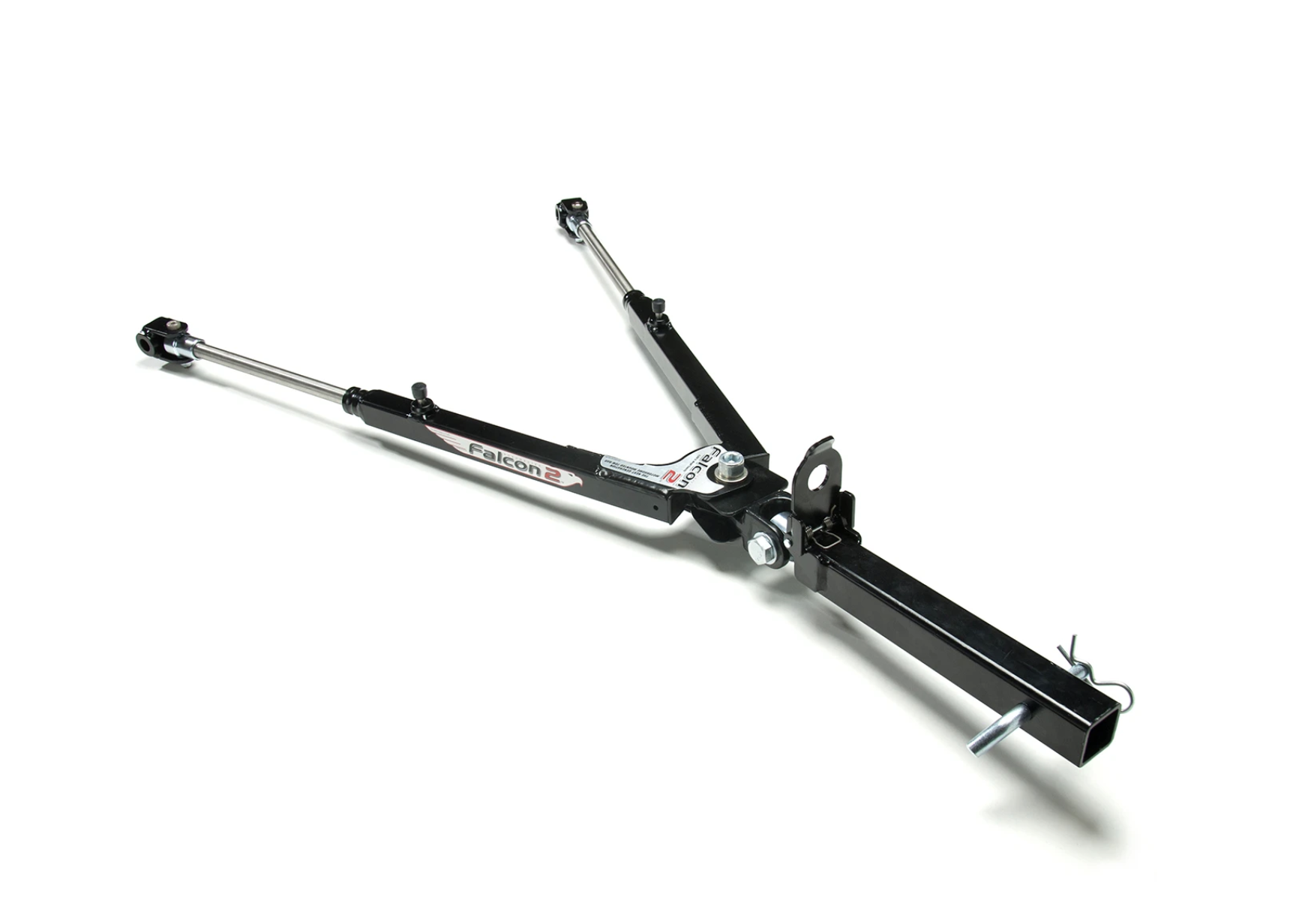
Your towbar is an important part of your flat towing setup, but how often do you actually stop and inspect it? Wear and tear is expected over time. The important thing is knowing what to look for before a worn or damaged component turns into a bigger problem on the road. One Roadmaster Falcon All-Terrain towbar we looked at showed exactly why regular inspections matter. A worn storage latch allowed the towbar to fall from its stowed position while the motorhome was being driven without the towed vehicle attached. The ends of the towbar dropped to the road and began dragging. So, what should you be looking for when inspecting your RV towbar? Let’s break it down.
Read more