It’s a question that faces many RVers at one time or another: Truck and fifth wheel or motorhome and dinghy vehicle? Each has its advantages and liabilities, which we’ll explore in detail here.
The first and most important question is, how do you travel? If you like to keep moving, spending only a night or two at each location, a motorhome/dinghy is probably the best solution. Generally speaking, motorhomes have a larger, more comfortable cockpit than pick-up trucks, and usually ride more comfortably, too (Class A motorhomes in particular). This is an important consideration if you plan to do more touring than camping/park living. Motorhomes are also better for traveling families, as the kids are not confined to the back seat of the truck and can watch TV, snack and use the bathroom conveniently while on the road. Once at your chosen destination, you can pull into your site, deploy the leveling jacks/slides (if equipped), hookup and you’re pretty much done—you don’t even have to detach the dinghy vehicle if you don’t plan to use it the next day or so.
On the other hand, if you like to stay for several days (or weeks, or months) at a given location, then a truck and fifth wheel may be the way to go. You’ll probably have to sacrifice some space and comfort while driving, you won’t have immediate access to the bathroom or kitchen, and you’ll have to deal with unhitching/hitching–but there are some very real benefits as well. For one thing, fifth wheels generally “live” better once they are at the destination. You can’t beat two living room slide outs, high ceilings and an island kitchen to make you feel at home–and fifth wheels usually have a big rear window that admits lots of light. Another big benefit is that, once you’ve unhooked you’ve got your pick-up truck to drive around in, and can use it on a daily basis when you’re at home if you (and your significant other) feel comfortable driving/parking a ¾ ton or one ton pick-up.
PLANNING AHEAD
Whichever you choose, planning your purchase(s) ahead of time will save you the most money and trouble. Consider that most motorhome owners pull a “dinghy” or towed vehicle behind them during travel so they can park the motorhome at their destination and enjoy the convenience of driving around in a car. But this requires some homework first. Not all cars are designed to be towed with all four wheels down behind a motorhome–some vehicle manufacturers will void the vehicle warranty if you attempt to do so. MotorHome magazine (www.motorhome.com) publishes an annual Dinghy Towing Guide that lists vehicles that can be towed, and even has archives for previous years. By in large it is accurate, but you should always check with the vehicle owner’s manual to make sure the vehicle is approved for towing, and what procedures are required before towing. Some cars require only a few simple steps, while others require removing fuses, disconnecting the battery and other steps that make towing inconvenient.
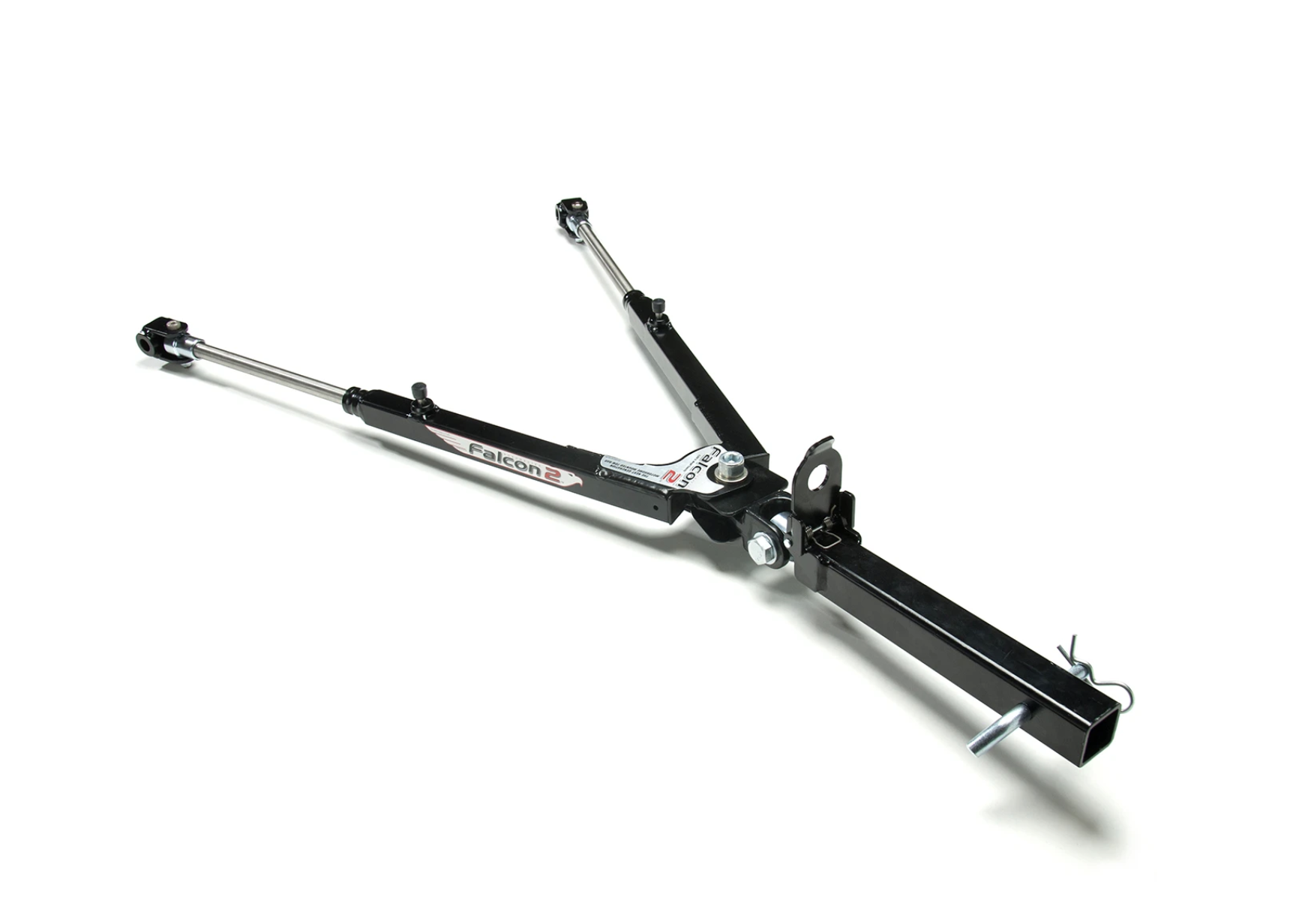
Then there’s the matter of fitting the vehicle with a base plate (so that it can be towed from the front) a tow bar and an auxiliary braking system. We like Roadmaster (roadmasterinc.com) for base plates and its wide selection of tow bars. For brakes, we use SMI (smibrake.com) because we like the ease installation and operation–but Roadmaster and other companies offer braking solutions as well. You may also need to wire the car so that its brake lights, turn signals, etc. coincide with the motorhome, and there are a variety of kits designed for this purpose. We generally use a Roadmaster universal wiring kit, but there are vehicle-specific kits available as well. Finally, most motorhomes are designed to tow–but the ratings may vary. Make sure that the motorhome you are considering is rated to tow the weight of the dinghy vehicle.
With a truck and fifth wheel, it’s even more important to choose the two together. We’ve come across many people–both customers and friends–who want a trailer that is too heavy for their existing truck, and want to know if there’s a way they can make it work. Sometimes it may be possible with a gear ratio change, different tires/wheels and suspension upgrades, but just remember there’s only so much weight a vehicle can tow safely and reliably. So, if you’ve already got a truck and you want to keep it, it’s best to choose a trailer that is well within its towing capacity. The easiest way to do this is choose a trailer whose gross vehicle weight rating (GVWR) is lower than the truck’s tow rating. This way, you’ll know that, even when the trailer is loaded to capacity, it’s not too heavy for the truck. The same is true if you already own a trailer and are looking for a new truck; make sure the truck can tow more than (or at least the same) as the GVWR of your trailer. If you’re buying both new, choose the trailer first, then buy a truck that can easily handle its weight–and remember, there’s no such thing as too much tow vehicle.
There’s a variety of aftermarket upgrades you can add to your tow vehicle to optimize the suspension if you find it rides too rough. We will soon be testing an Auto Flex air suspension on our 2007 Chevy Duramax 2500HD pick-up (www.autoflexsuspensions.com). The system has shown great potential for improving ride quality when towing and can help keep the truck at a level ride height (the company also offers a system for trailers called Trailer Flex). We will post the results of that installation here as soon as it is completed.
BE PREPARED
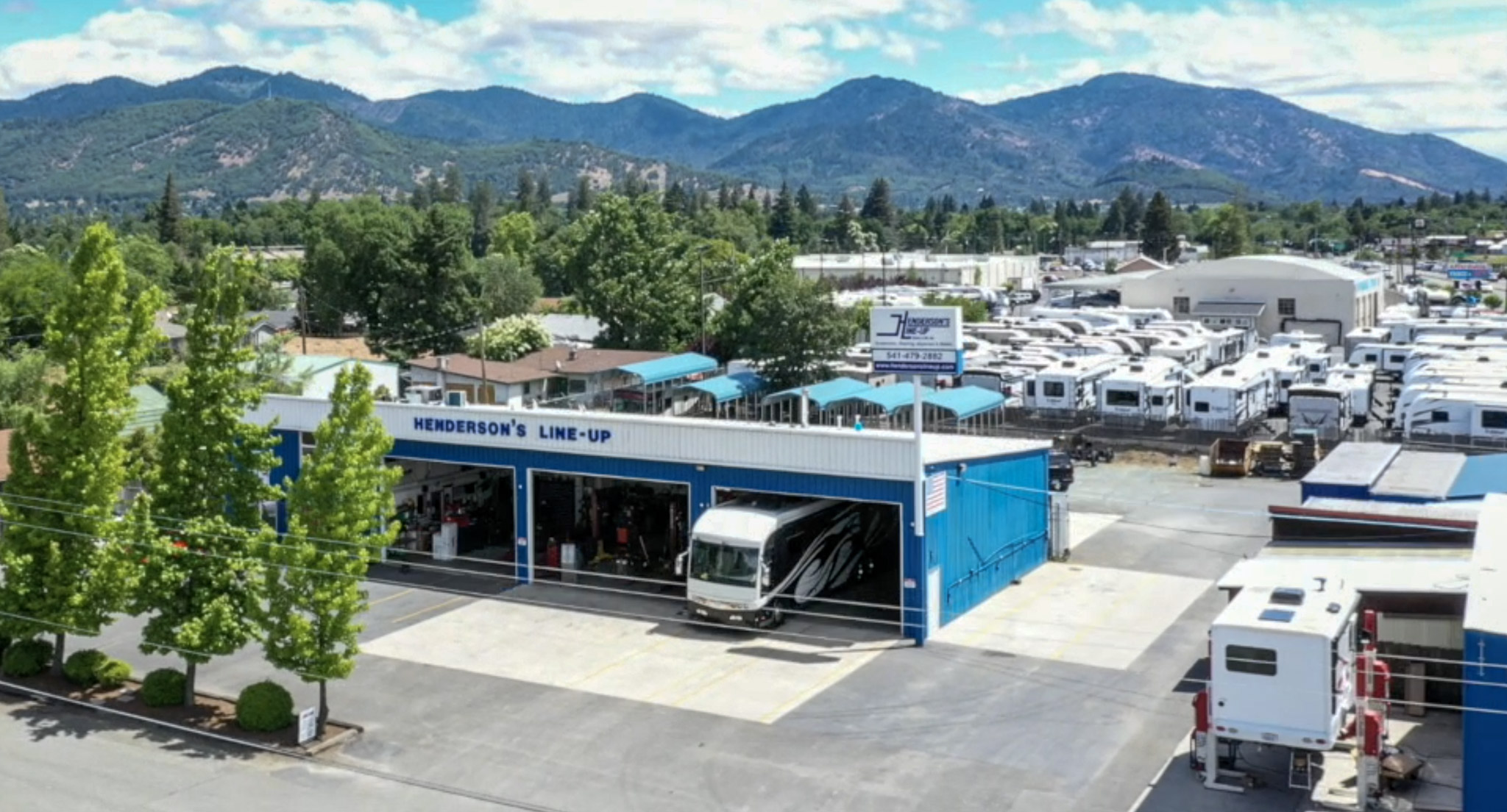
Before you hit the road, it’s a good idea to familiarize yourself with your chosen setup and get it checked out before your first long road trip. Henderson’s Line-Up offers a Road Performance Assessment (RPA) that uncovers any shortcomings in the motorhome, be it new or used. This includes rough ride, loose steering, insufficient brakes or other handling/safety concerns. At the test’s conclusion, we’ll perform a detailed inspection of more than 50 points on your coach. These include your air ride suspension (if equipped), tire wear, steering gear, disc brake rotors and pads, shock absorbers, tie rods, idler arms, kingpins, ball joints, bushings and much more. We then weigh the coach at all four corners with individual wheel scales to determine correct weight distribution.
If you have a truck and trailer, it’s still a good idea to have an RPA performed; even new trailers can have bad alignment that can cause handling issues and blowouts. Most trailers don’t have balanced tires and many don’t have shock absorbers–so just these simple modifications can make a huge difference in reliable travel. Our parts division, SuperSteer parts (www.supersteerparts.com) offers a variety of products designed for Safer and Happier driving, including several suspension upgrades to improve the ride and handling of your fifth wheel.
One final thing: Always, ALWAYS be sure to check your tire pressures every day when traveling. There are a variety of tire pressure monitoring systems available on the market, but it’s still a good idea to visually inspect the tires for nails, sidewall damage, etc. Plus, it gets you in the habit of inspecting your tires on a regular basis.
By considering your lifestyle, planning your purchase(s) ahead of time and being prepared for the road ahead, you can enjoy the wonders of our country safely and reliably–whichever set up you choose.